Agriculture & Environment
Wildlife & Fisheries
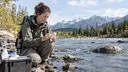
Focuses on the ecology and population management of wild animals and fish, with field-heavy coursework in survey techniques, habitat assessment, and wildlife law used by agencies and nonprofits.
Where this degree leads
Start withWildlife & Fisheries
- Environmental ScientistLife SciencesCan lead to
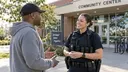
- Police Officers & DetectivesLaw & Public Safety
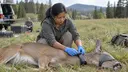
- Zoologists & Wildlife BiologistsAgriculture & Environment
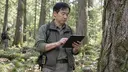
- Conservation Scientists & ForestersAgriculture & EnvironmentCan lead to
- Biological TechniciansLife SciencesCan lead to
- Forest & Conservation WorkersAgriculture & Environment
Careers this leads to

Concentrations
- Fisheries & Wildlife
- Wildlife Ecology & Conservation
Top programs
- Michigan State University B.S. in Fisheries and Wildlife with strong Great Lakes and field research.
- Texas A&M University Wildlife and Fisheries Sciences, one of the largest programs of its kind.
- Colorado State University Fish, Wildlife and Conservation Biology with field training across the West.
Tips
- Work as a seasonal field technician; most permanent jobs require several seasons of experience.
- Plan coursework to meet The Wildlife Society's Associate Wildlife Biologist certification or the American Fisheries Society's certification.
- Get practical certifications (boat operation, ATV, first aid). Field crews need them.
- Learn R and GIS for population analysis; those skills help you move from technician to biologist.