Environmental Scientist
Studies and monitors the natural environment — soil, water, air quality — for consulting firms, government agencies, or companies managing their own environmental compliance, mixing fieldwork with lab analysis and reporting.
Salary
- Entry-level
- $52,500
- Mid-career
- $82,000
- Senior
- $140,000
Source: BLS OEWS, May 2025
Job outlook
- Growth, 2025–35
- +6%
- Faster than average
- Openings each year
- 7,300
- New jobs plus people retiring or moving on
- Jobs in 2025
- 93,400
- +5,700 by 2035
Source: BLS Employment Projections, 2025–35. Growth for all jobs is +3.5%. See the BLS profile
A day on the job
What people in this job typically spend their time doing.
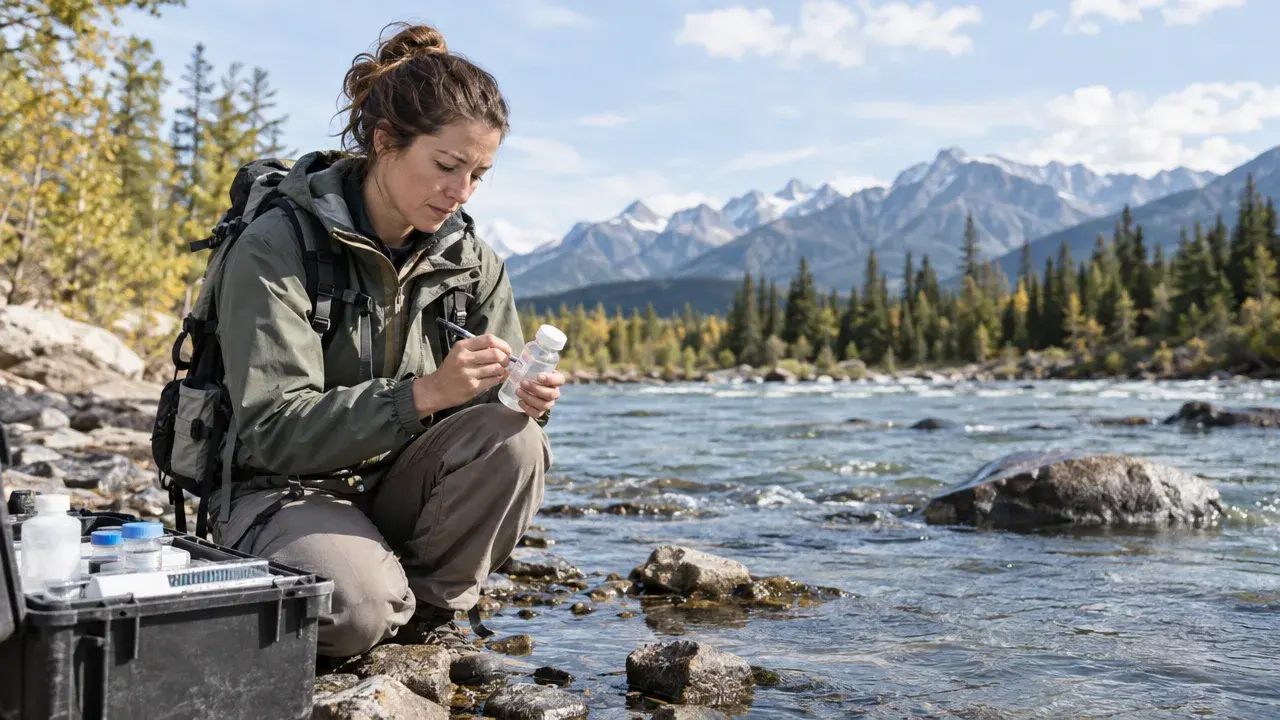
- Collect soil, water and air samples and analyze the results
- Track how pollution affects the environment and suggest ways to reduce it
- Inspect sites and investigate possible environmental rule violations
- Review permits and apply environmental regulations
- Turn data into charts, graphs and written reports
- Explain findings to the public, agencies and coworkers in meetings and workshops
Adapted from O*NET OnLine (19-2041.00), U.S. Department of Labor, used under the CC BY 4.0 license.
Getting in
A degree is required for this career.
Recommended degrees
Progression
- Environmental Scientist / Field Technician
- Environmental Scientist
- Senior Environmental Scientist
- Environmental Program Manager
Where this can lead


Top Employers
- Environmental consulting firms The biggest source of jobs in the field — site assessments and compliance work for private clients, with projects and travel that vary by contract.
- State and federal environmental agencies (e.g. EPA, state DEQs) Steadier hours and a public-service mission, but hiring moves slowly and pay trails the private sector.
- Oil, gas, and manufacturing companies In-house compliance roles monitoring a company's own environmental impact; often better pay than consulting in exchange for narrower scope.
Networking & job search

- State environmental agencies and regional EPA offices often take on undergrad interns — real fieldwork experience matters more here than GPA.
- The National Association of Environmental Professionals runs regional events that are genuinely useful for meeting people already doing the work.
- Volunteer water-quality or conservation monitoring programs are a low-barrier way to build fieldwork experience before you graduate.
Example trajectories
Talia R.
Biology degree → seasonal field technician for a state environmental agency → environmental scientist doing water-quality consulting, 4 years in.