Physical Sciences
Geology / Earth Science
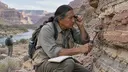
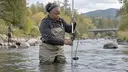
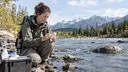
Geology studies the physical Earth — rock formation, plate tectonics, groundwater, mineral and energy resources — combining classroom science with substantial fieldwork, often including a required summer field camp.
Where this degree leads
Start withGeology / Earth Science
- GeoscientistsPhysical Sciences
- HydrologistsPhysical SciencesCan lead to
- Geological TechniciansPhysical SciencesCan lead to
- Petroleum EngineersEngineering & ManufacturingCan lead to
- Mining & Geological EngineersEngineering & Manufacturing
- Environmental ScientistLife SciencesCan lead to
- Cartographers & PhotogrammetristsEngineering & ManufacturingCan lead to
Careers this leads to



Concentrations
- Earth & Planetary Sciences
- Geosciences
- Physics & Geosciences
Top programs
- University of Texas at Austin One of the best-funded geology departments in the country, with deep ties to the state's oil, gas, and water industries.
- Colorado School of Mines Specialized, industry-embedded program with the strongest placement into mining, energy, and petroleum careers.
- Stanford University Excellent research infrastructure and a well-known geological and environmental sciences department.
Tips
- Take the required field camp seriously and choose one with varied terrain — it's often the single most-discussed line on a geology resume in interviews.
- Get a GIS course or certificate alongside the degree; mapping and spatial analysis show up in nearly every geoscience and environmental job now.
- An internship with a state geological survey, the USGS, or an environmental consulting firm is the most common route into a first job in the field.
- If energy or water resources interest you, a minor or coursework in hydrology and petroleum geology broadens which employers will consider you.