Life Sciences
Ecology & Evolutionary Biology
Studies how organisms interact with their environments and how populations change over time, blending field data collection with the statistical modeling used to test evolutionary and ecological theory.
Where this degree leads
Start withEcology & Evolutionary Biology
- Natural Sciences ManagersLife Sciences
- Postsecondary (College) TeachersEducationCan lead to
- Environmental ScientistLife SciencesCan lead to
- Zoologists & Wildlife BiologistsAgriculture & Environment
- Conservation Scientists & ForestersAgriculture & EnvironmentCan lead to
- Biological TechniciansLife SciencesCan lead to
Careers this leads to


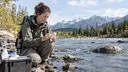
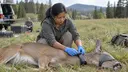
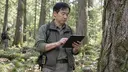

Concentrations
- Ecology
- Human Evolutionary Biology
Top programs
- University of Michigan B.S. in Ecology, Evolution & Biodiversity, with summer field courses at the university's Biological Station in northern Michigan.
- University of Arizona B.S. in Ecology & Evolutionary Biology, with the Sonoran Desert and the region's mountain ranges as an outdoor lab.
- Princeton University A.B. in Ecology & Evolutionary Biology; every student writes a senior thesis, and the department runs semester-long field programs in the tropics.
Tips
- Learn R early. Nearly every ecology lab analyzes its field data in R, and showing up already able to clean data and fit a model makes you useful to a research group right away.
- Spend at least one summer as a seasonal field technician; the Texas A&M Wildlife and Fisheries job board lists hundreds of these each spring.
- Apply to NSF Research Experiences for Undergraduates (REU) sites. They are paid, last a summer, and are the usual first step into graduate research.
- Most research and management jobs ask for a master's or PhD, so plan for graduate school; in this field a PhD is usually funded through a research or teaching assistantship.