Emergency Medical Technicians (EMTs)
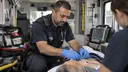
Responds to 911 calls and provides emergency medical care on-site and during transport — the frontline of emergency medicine, working out of an ambulance, and the most common first step toward paramedicine or nursing.

Salary
- Entry-level
- $34,000
- Mid-career
- $44,500
- Senior
- $62,500
Source: BLS OEWS, May 2025
Job outlook
- Growth, 2025–35
- +6%
- Faster than average
- Openings each year
- 18,200
- New jobs plus people retiring or moving on
- Jobs in 2025
- 284,100
- +16,400 by 2035
Source: BLS Employment Projections, 2025–35. Growth for all jobs is +3.5%. See the BLS profile
A day on the job
What people in this job typically spend their time doing.
- Drive the ambulance to emergencies as directed by the dispatcher
- Check how badly someone is sick or hurt and decide what care comes first
- Give first aid and life support, such as clearing airways and monitoring the heart
- Secure patients on a stretcher and comfort them on the way to the hospital
- Work with police, firefighters and hospital staff at the scene
- Restock supplies, clean the ambulance and report each patient's condition and care
Adapted from O*NET OnLine (29-2042.00), U.S. Department of Labor, used under the CC BY 4.0 license.
Getting in
A state-approved EMT-Basic certificate course (typically a few months) plus a National Registry (NREMT) exam is the standard path — no college degree required to start.
Progression
- EMT-Basic
- EMT
- Paramedic (with further certification)
- Field Training Officer / Shift Supervisor
Where this can lead

Top Employers
- Private ambulance services (e.g. AMR, Falck) The largest single source of EMT jobs, covering both 911 response contracts and non-emergency medical transport, often with more flexible scheduling than a fire department.
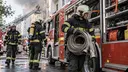
- Municipal fire departments Combines EMT work with firefighting duties in many cities, generally offering stronger pay, benefits, and pension plans than private ambulance companies.
- Hospital emergency departments A smaller share of jobs, but a steadier, single-site schedule compared to the constant movement of ambulance-based work.
Networking & job search

- Local fire departments and private ambulance services often run their own EMT training pipelines with a hiring track attached — worth asking about directly rather than only applying online.
- NAEMT (National Association of Emergency Medical Technicians) membership gives access to continuing education and a national job board once certified.
- Ride-along shifts, which many services allow before you're even certified, are the clearest way to confirm the shift work and physical demands are a fit before committing to the course.
Example trajectories
EMT-Basic certificate → NREMT certification → EMT on a city ambulance service → paramedic certification, now field training officer, 6 years in.