Firefighters
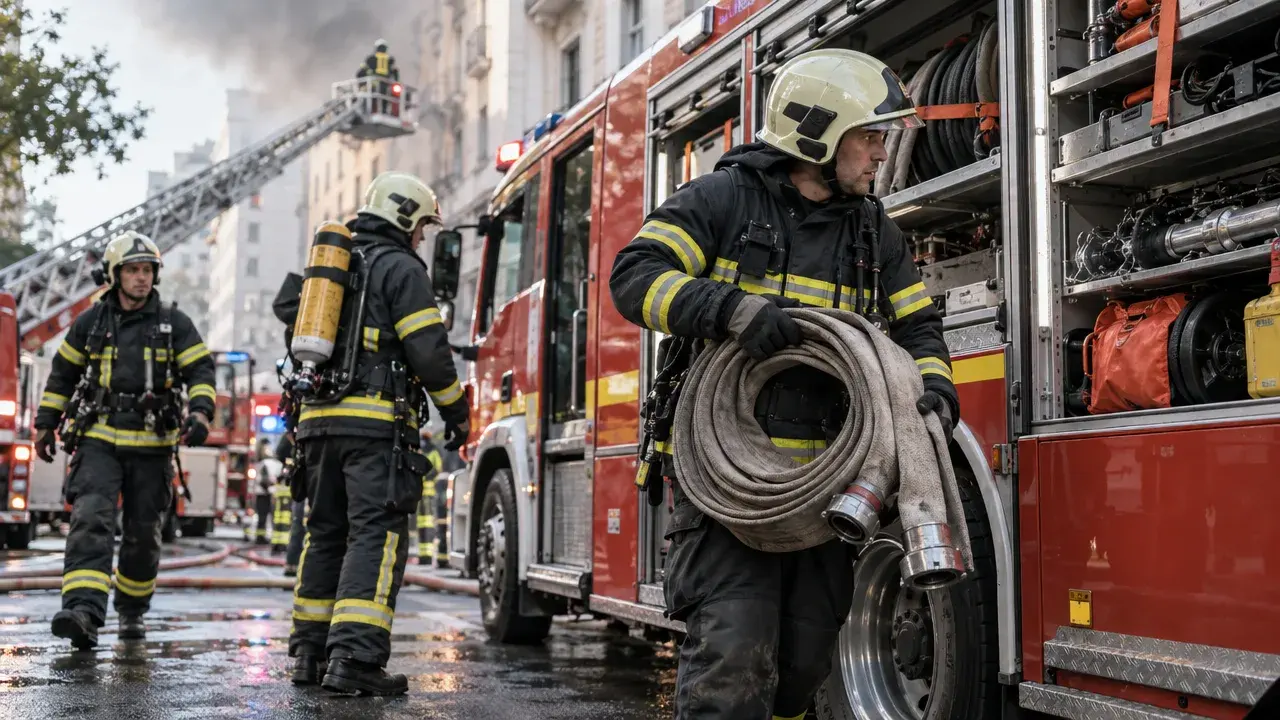
Responds to fires, medical emergencies, and other hazards, combining physically demanding rescue and suppression work with basic emergency medical care.
Salary
- Entry-level
- $35,000
- Mid-career
- $59,500
- Senior
- $101,000
Source: BLS OEWS, May 2025
Job outlook
- Growth, 2025–35
- +4%
- As fast as average
- Openings each year
- 26,800
- New jobs plus people retiring or moving on
- Jobs in 2025
- 355,300
- +13,100 by 2035
Source: BLS Employment Projections, 2025–35. Growth for all jobs is +3.5%. See the BLS profile
A day on the job
What people in this job typically spend their time doing.
- Respond to fire alarms, car accidents and other emergency calls
- Put out fires using hoses, pumps and other equipment
- Search for and rescue people trapped in buildings or accidents
- Give first aid, CPR and emergency medical care
- Clean and maintain the fire station, trucks and gear
- Train through drills and keep in top physical condition
Adapted from O*NET OnLine (33-2011.00), U.S. Department of Labor, used under the CC BY 4.0 license.
Getting in
A high school diploma plus completion of a fire academy and EMT certification is the standard path in; an associate degree in fire science can help with hiring and later promotion but isn't required to start.
Degrees that help
Progression
- Recruit or Probationary Firefighter
- Firefighter or Firefighter-Paramedic
- Driver/Engineer, then Lieutenant
- Captain, Battalion Chief, and Fire Chief
Where this can lead
Top Employers
- City and county fire departments Employ most career firefighters, with union pay scales and pensions in many areas.
- Federal and state wildland fire agencies (e.g. U.S. Forest Service, CAL FIRE) Wildland crews are often seasonal at first and involve long deployments during fire season.
- Airports, military bases, and industrial sites Specialized fire and rescue teams for aircraft, refineries, and large facilities.
Networking & job search

- Volunteer or paid-on-call firefighting is the most common way in — it gets you training, experience, and references departments trust.
- Get your EMT certification before you apply, since most departments run far more medical calls than fires and many require it at hire.
- Ride along or attend open houses at the departments you want to join; hiring panels remember applicants who showed up and asked good questions.
Example trajectories
Volunteer firefighter in a small town → EMT certification → fire academy → career firefighter in a city department → lieutenant, 9 years in.
Paramedic on a private ambulance → hired as a firefighter-paramedic → captain running a busy engine company.