Water & Wastewater Treatment Plant Operators
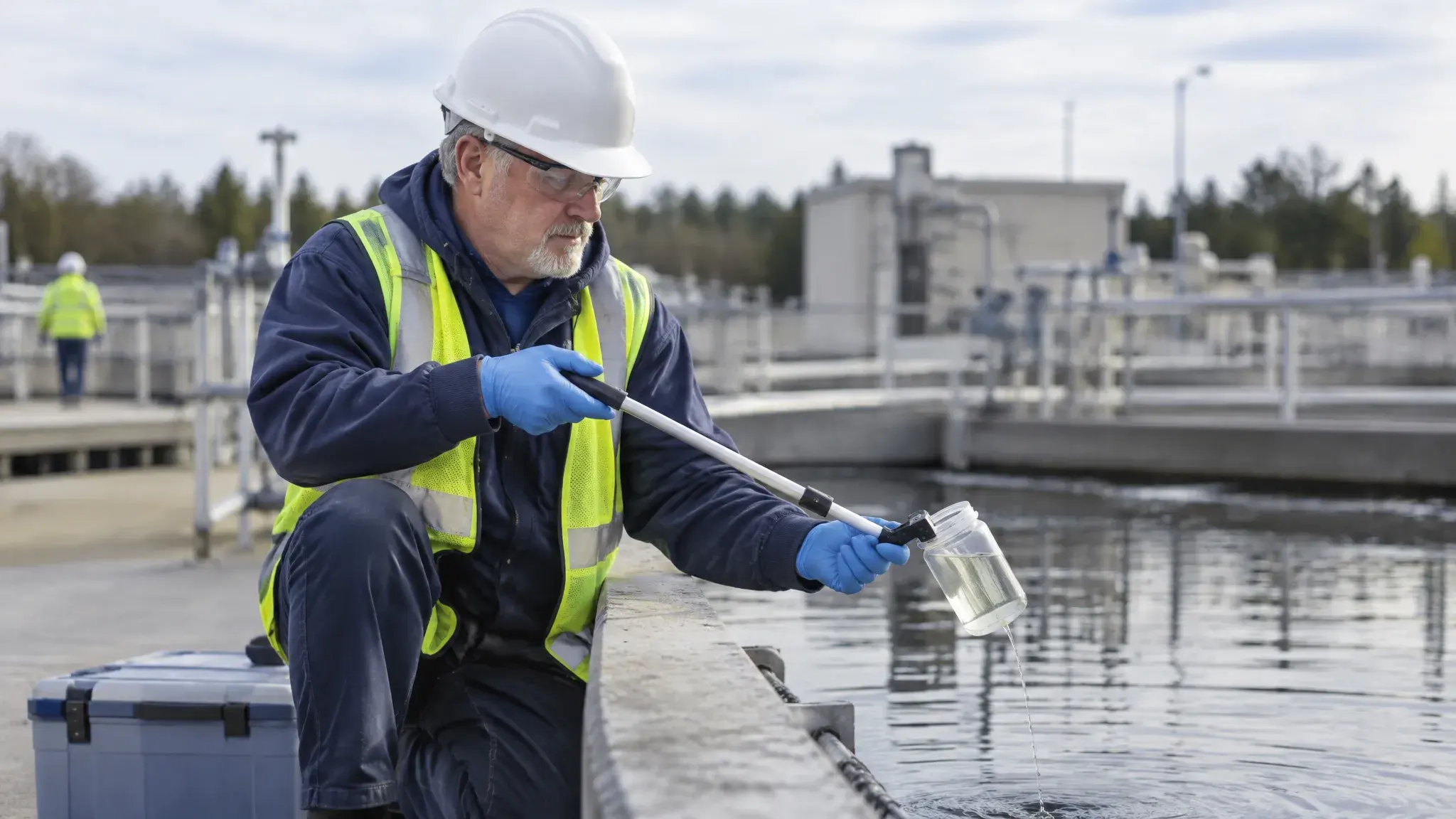
Runs the systems that treat drinking water and wastewater, monitoring equipment and testing samples to keep water safe before it reaches homes or is released back into the environment.
Salary
- Entry-level
- $39,000
- Mid-career
- $60,000
- Senior
- $91,000
Source: BLS OEWS, May 2025
Job outlook
- Growth, 2025–35
- −6%
- Decline
- Openings each year
- 10,000
- New jobs plus people retiring or moving on
- Jobs in 2025
- 131,000
- −7,500 by 2035
Source: BLS Employment Projections, 2025–35. Growth for all jobs is +3.5%. See the BLS profile
A day on the job
What people in this job typically spend their time doing.
- Collect and test water and sewage samples
- Adjust equipment controls to clean drinking water and treat sewage
- Add chemicals like chlorine to disinfect water
- Inspect equipment and watch gauges to catch problems
- Clean tanks and filters, and repair plant equipment
- Record meter readings and fill out monitoring reports
Adapted from O*NET OnLine (51-8031.00), U.S. Department of Labor, used under the CC BY 4.0 license.
Getting in
Operators typically train through a technical certificate program and state licensing exams rather than a four-year degree.
Progression
- Operator in Training
- Licensed Operator (Grade I or II)
- Senior or Chief Operator (higher-grade license)
- Plant Superintendent or Utility Operations Manager
Where this can lead


Top Employers
- City and county utilities Employ most operators, with stable public-sector pay, pensions, and round-the-clock shifts.
- Private water companies (e.g. American Water, Veolia) Run water systems under contract for towns and industries.
- Industrial plants Factories, refineries, and food plants treat their own process water and wastewater.
Networking & job search

- Many utilities hire operators in training and pay for your state certification exams — check city and county job sites regularly.
- Your state's section of the American Water Works Association or Water Environment Federation runs exam prep and is full of hiring superintendents.
- Each higher license grade raises your pay, so plan your next exam as soon as you have the required hours.
Example trajectories
High school diploma → operator in training at a city wastewater plant → Grade III license → chief operator, 9 years in.
Water technology certificate → drinking water operator → lab and compliance lead → superintendent of a county water plant.