Producers & Directors
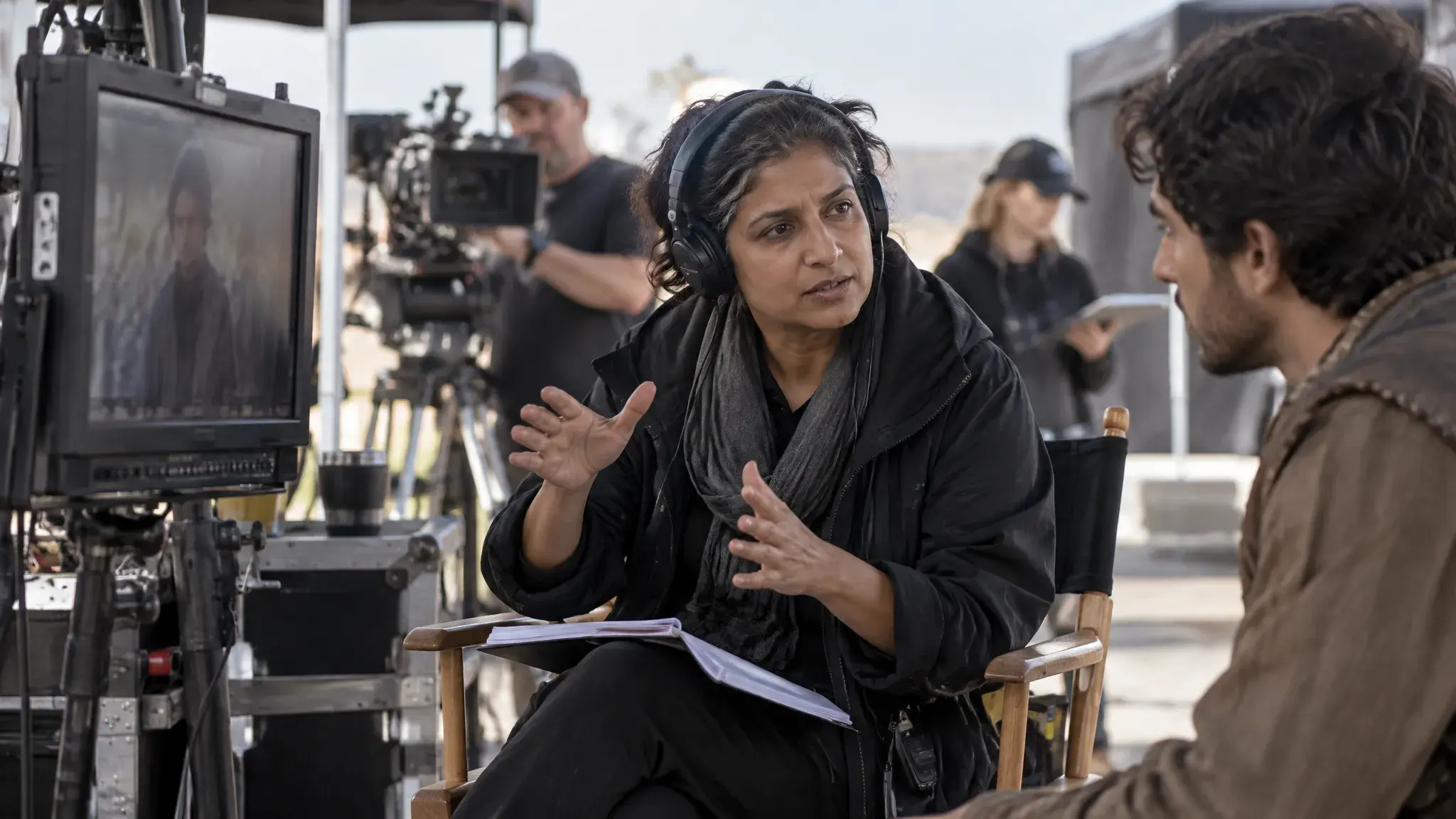
Oversees the creative and business sides of film, TV, theater, or other media productions — producers secure funding, talent, and logistics, while directors shape the creative vision on set.
Salary
- Entry-level
- $46,000
- Mid-career
- $90,500
- Senior
- $198,500
Source: BLS OEWS, May 2025
Job outlook
- Growth, 2025–35
- +4%
- As fast as average
- Openings each year
- 12,100
- New jobs plus people retiring or moving on
- Jobs in 2025
- 181,000
- +7,300 by 2035
Source: BLS Employment Projections, 2025–35. Growth for all jobs is +3.5%. See the BLS profile
A day on the job
What people in this job typically spend their time doing.
- Read and study scripts and pick which projects to produce
- Plan each shot, including camera angles, sound and where actors move
- Guide actors on how to play their characters in each scene
- Hold auditions and hire the cast and crew
- Manage the production budget, schedule and financing
- Review each day's footage and rehearsals to check quality
Adapted from O*NET OnLine (27-2012.00), U.S. Department of Labor, used under the CC BY 4.0 license.
Getting in
A degree is required for this career.
Recommended degrees
Progression
- Production Assistant
- Associate Producer / Director
- Producer / Director
- Executive Producer
Where this can lead

Top Employers
- Independent production companies The most common entry point, working on commercials, local content, or small-budget films across a wide range of responsibilities.
- Streaming platforms and studios (e.g. Netflix, major studios) Larger budgets and more structured crews, but highly competitive entry and heavily concentrated in a few media hub cities.
- Theater and live-event production companies Focuses on staged, in-person productions rather than film or TV, with a different rhythm of rehearsal and live performance runs.
Networking & job search

- The Producers Guild of America (PGA) and local film office production listings are where most entry-level production-assistant jobs actually get posted.
- Working crew on a local independent film or theater production, even unpaid at first, is the standard way into this field — the industry runs almost entirely on who's worked with whom.
- Film festivals with active industry tracks (regional ones, not just Sundance) offer real networking access at a fraction of the cost and competition.
Example trajectories
Jordan
Entrepreneurship degree → production assistant on local commercial shoots → associate producer at a production company → independent producer, 6 years in.