Public Safety Telecommunicators (911 Dispatchers)
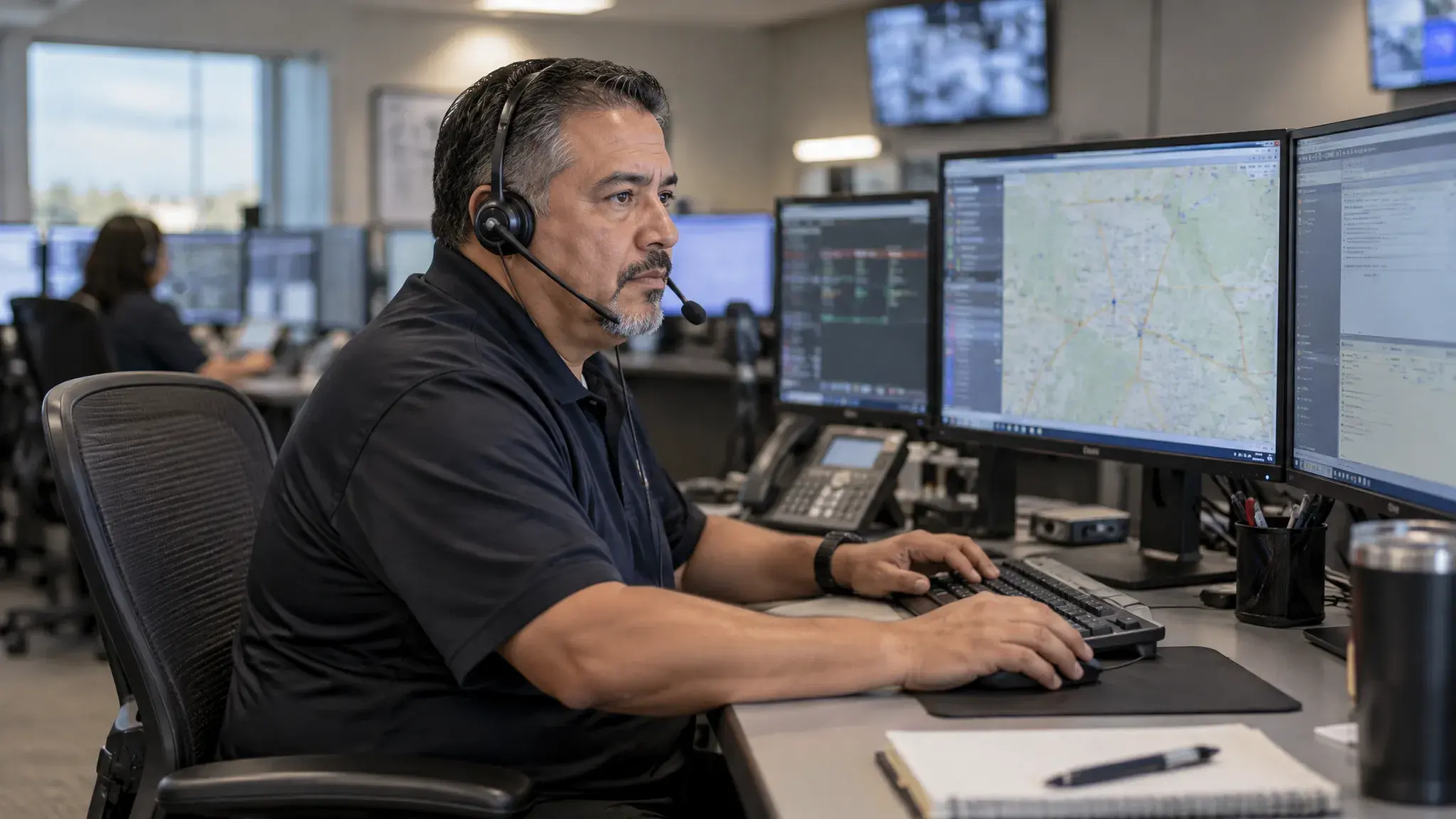
Answers 911 calls and coordinates the police, fire, or EMS response, staying calm under pressure while relaying critical information between callers and first responders.
Salary
- Entry-level
- $37,500
- Mid-career
- $53,000
- Senior
- $80,000
Source: BLS OEWS, May 2025
Job outlook
- Growth, 2025–35
- +4%
- As fast as average
- Openings each year
- 9,000
- New jobs plus people retiring or moving on
- Jobs in 2025
- 105,600
- +3,900 by 2035
Source: BLS Employment Projections, 2025–35. Growth for all jobs is +3.5%. See the BLS profile
A day on the job
What people in this job typically spend their time doing.
- Answer 911 and non-emergency calls for police, fire, and ambulance help
- Ask callers questions to find their location and what is happening
- Decide how urgent a call is and send the right emergency units
- Give callers first aid instructions until help arrives
- Relay updates by radio between responders and other agencies
- Record details of every call and dispatch in the computer system
Adapted from O*NET OnLine (43-5031.00), U.S. Department of Labor, used under the CC BY 4.0 license.
Getting in
Most public safety telecommunicators enter with a high school diploma and complete agency-provided or state-certified dispatcher training rather than a college degree.
Progression
- Dispatcher Trainee or Call Taker
- Certified Public Safety Dispatcher
- Senior Dispatcher or Communications Training Officer
- Dispatch Supervisor or 911 Center Director
Where this can lead
Top Employers
- City and county 911 centers The largest employer, with 24/7 shifts and public benefits.
- Police and sheriff's departments Dispatch officers and track calls.
- Private ambulance companies Dispatch and schedule ambulances.
Networking & job search

- Many centers require state certification and training in emergency medical dispatch, which they often provide after hire.
- Expect typing tests, a background check, and a sit-along in the dispatch center during hiring.
- APCO International and NENA offer training and connect dispatchers across the country.
Example trajectories
Call center worker → 911 call taker → certified dispatcher → communications training officer.
Volunteer EMT → fire and EMS dispatcher → dispatch supervisor.