Material Moving Machine Operators
Operates forklifts, conveyor systems, and other equipment that moves materials within warehouses, factories, and shipping yards.
Salary
- Entry-level
- $37,000
- Mid-career
- $46,500
- Senior
- $64,000
Source: BLS OEWS, May 2025
Job outlook
- Growth, 2025–35
- +1%
- Slower than average
- Openings each year
- 70,700
- New jobs plus people retiring or moving on
- Jobs in 2025
- 841,500
- +12,000 by 2035
Source: BLS Employment Projections, 2025–35. Growth for all jobs is +3.5%. See the BLS profile
A day on the job
What people in this job typically spend their time doing.
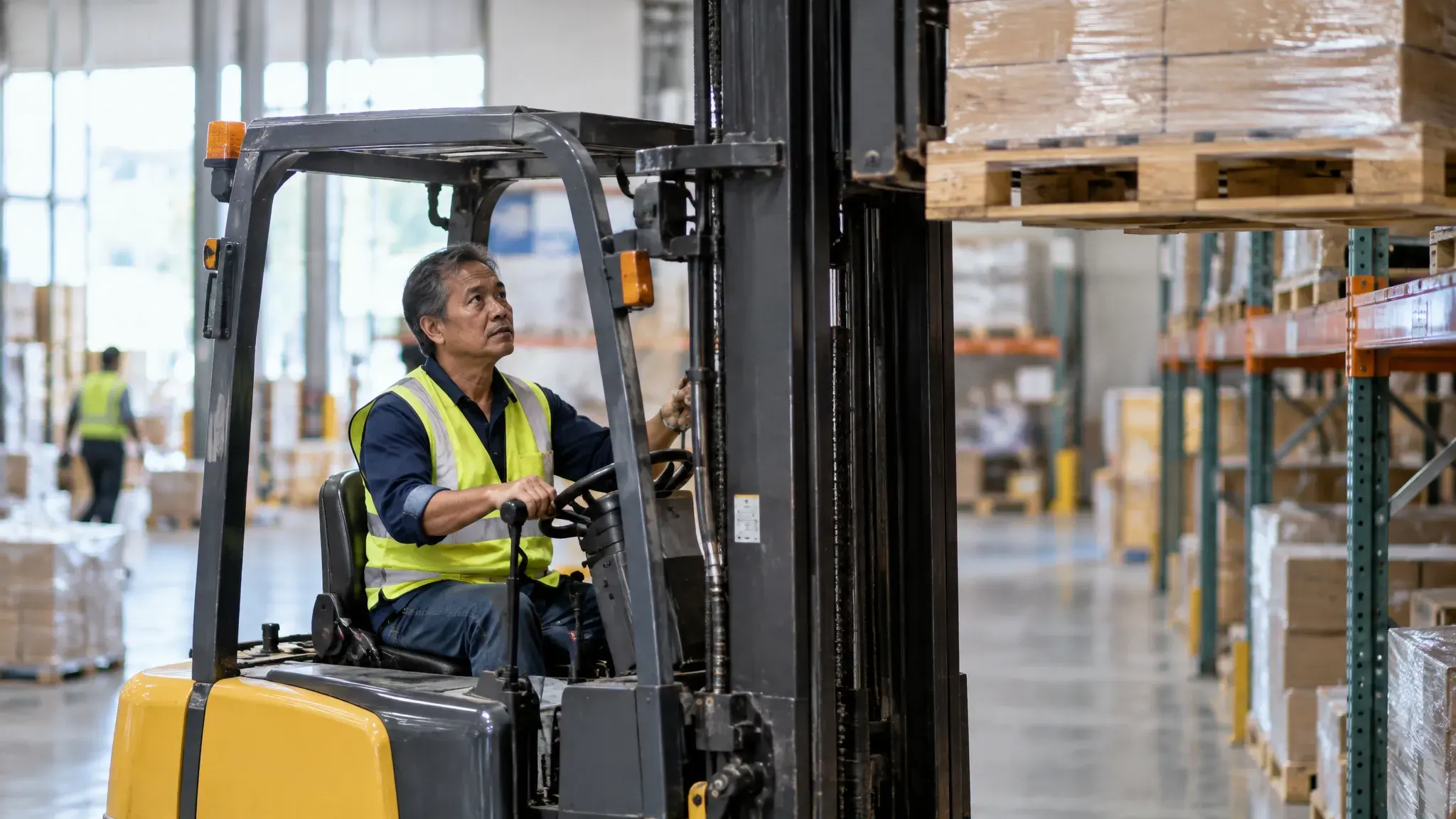
- Drive forklifts to load, unload, move and stack goods
- Move materials between loading docks, production areas and storage
- Check shipments for accuracy before moving them around the warehouse
- Weigh products and record weights and other details on tags
- Clean, fuel, charge and do routine upkeep on forklifts and other equipment
- Run or watch over automatic stacking, packaging or cutting machines
Adapted from O*NET OnLine (53-7051.00), U.S. Department of Labor, used under the CC BY 4.0 license.
Getting in
Most material moving machine operators train on the job through employer-provided equipment certification rather than a college degree.
Progression
- Warehouse Associate
- Forklift or Machine Operator
- Crane, Reach Truck, or Specialty Operator
- Shift Lead or Warehouse Supervisor
Where this can lead


Top Employers
- Warehouses and distribution centers Many openings and overtime.
- Manufacturers Move materials around plants.
- Ports and shipping terminals Load and unload ships.
Networking & job search

- Employers provide OSHA-required forklift training and certification.
- Learning more machines, like reach trucks and order pickers, makes you more valuable.
- Port and crane operator jobs pay the most and often require union membership.
Example trajectories
Tyrell
Warehouse associate → forklift operator → reach truck operator → shift lead.
Paz
Forklift operator → crane operator at a port.