Archivists, Curators & Museum Workers
Preserves, catalogs, and interprets collections — artifacts, historical documents, art — for museums, archives, and historical societies, combining research and public-facing exhibit work with hands-on conservation.
Salary
- Entry-level
- $37,000
- Mid-career
- $60,500
- Senior
- $101,500
Source: BLS OEWS, May 2025
Job outlook
- Growth, 2025–35
- +4%
- As fast as average
- Openings each year
- 4,300
- New jobs plus people retiring or moving on
- Jobs in 2025
- 38,500
- +1,600 by 2035
Source: BLS Employment Projections, 2025–35. Growth for all jobs is +3.5%. See the BLS profile
A day on the job
What people in this job typically spend their time doing.
- Choose themes and design exhibits to display collections
- Catalog objects and track their condition and location
- Research and verify where items came from and what they are worth
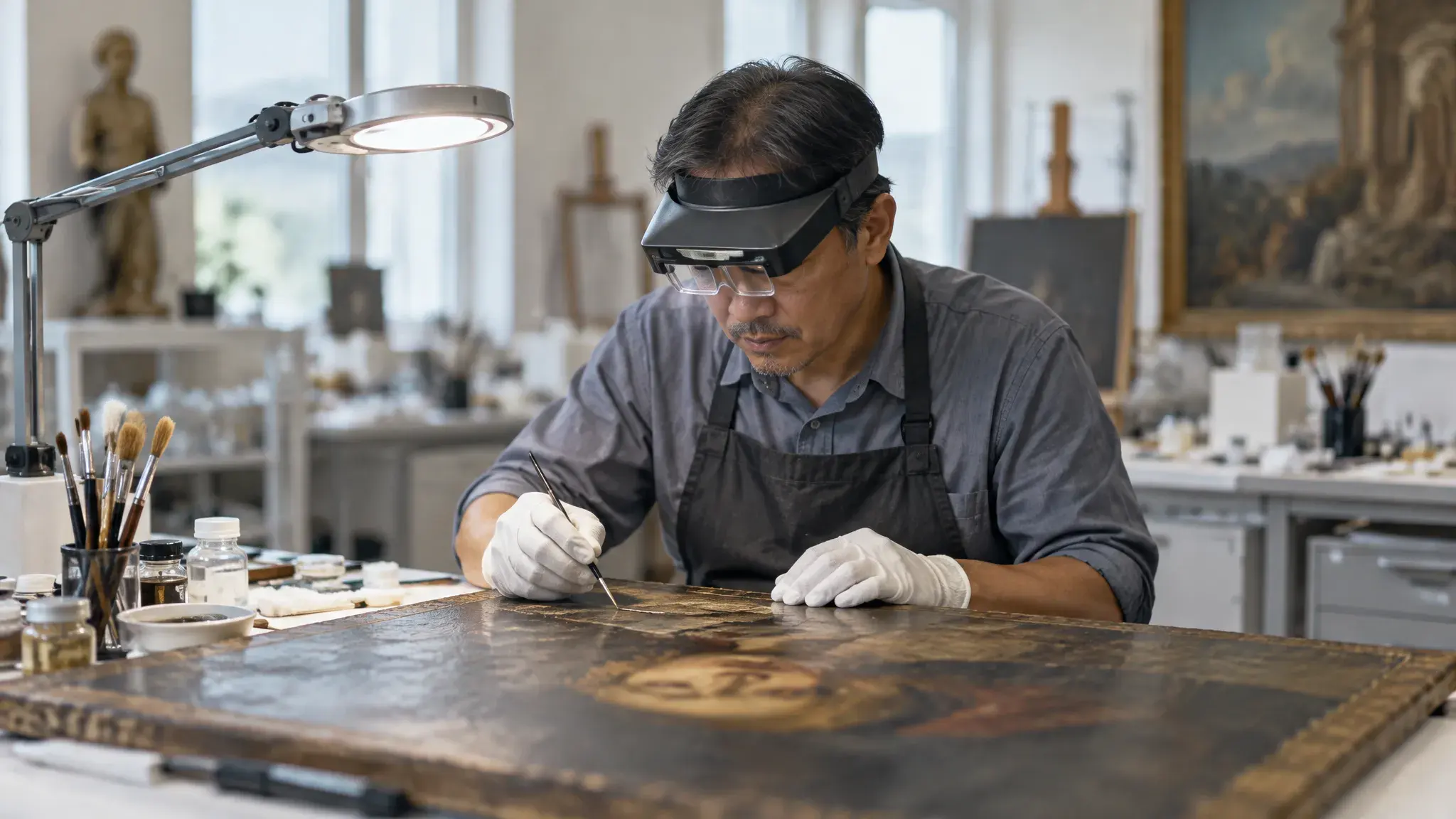
- Clean, repair and preserve artifacts, documents and artwork
- Prepare and install objects for display, storage or shipping
- Lead tours and workshops for museum visitors
Adapted from the BLS Occupational Outlook Handbook, U.S. Bureau of Labor Statistics.
Getting in
Entry-level museum technician and collections assistant roles are open to candidates with relevant experience and a bachelor's degree in any field; curator and conservator roles typically require a master's, so many people start as a technician while deciding whether to pursue one.
Degrees that help
Progression
- Museum Technician / Collections Assistant
- Assistant Curator
- Curator
- Chief Curator / Collections Director
Where this can lead


Top Employers
- Smithsonian Institution The largest museum employer in the country, with enough specialized departments that a career can move between collections without changing institutions.
- Regional and local history museums Smaller museums offer broader hands-on responsibility earlier in a career — cataloging, exhibit design, conservation — at generally lower pay than a national institution.
- University and state archives Archival roles focus on preserving documents and records rather than physical artifacts, often with steadier funding than a stand-alone museum.
Networking & job search

- The American Alliance of Museums offers student memberships with access to its job board, which lists most curatorial and collections openings nationally.
- Museum internships, even unpaid ones early on, are close to a prerequisite for later paid roles — many curators started as undergraduate collections volunteers.
- Regional museum consortiums often run joint hiring events and portfolio reviews that are far less competitive to get into than a single major museum's own posting.
Example trajectories
Women's and gender studies degree → collections volunteer at a local historical society → museum technician → assistant curator at a regional history museum, 4 years in.