Cooks
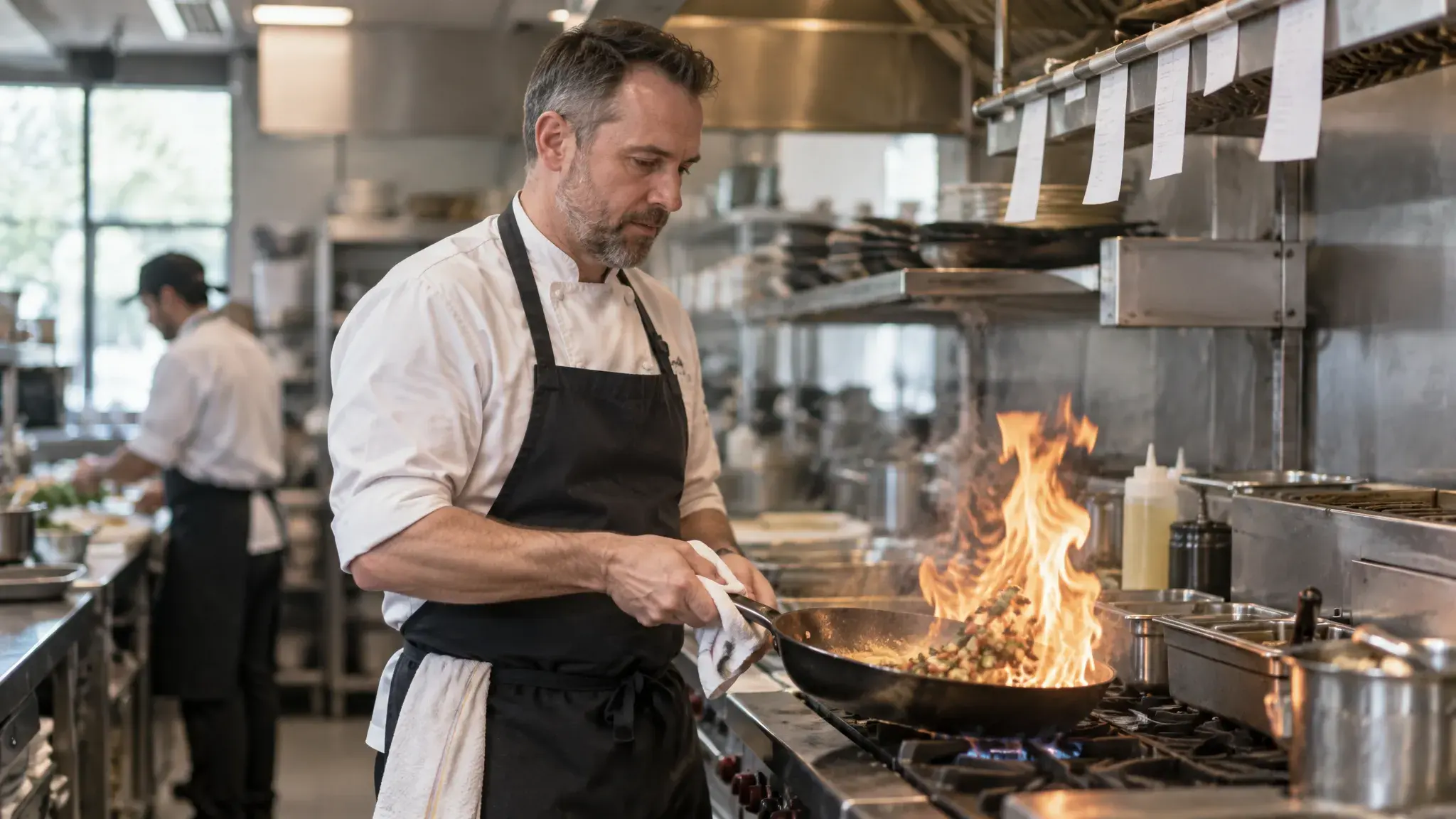
Prepares food following recipes and kitchen standards in a restaurant, cafeteria, or other food-service setting, working a specific station under a chef or head cook's direction.
Salary
- Entry-level
- $26,500
- Mid-career
- $36,500
- Senior
- $47,500
Source: BLS OEWS, May 2025
Job outlook
- Growth, 2025–35
- +7%
- Much faster than average
- Openings each year
- 393,200
- New jobs plus people retiring or moving on
- Jobs in 2025
- 2,705,800
- +183,200 by 2035
Source: BLS Employment Projections, 2025–35. Growth for all jobs is +3.5%. See the BLS profile
A day on the job
What people in this job typically spend their time doing.
- Wash, chop, measure, and mix ingredients before service
- Season and cook food on grills, ovens, and stoves following recipes
- Check that food is cooked properly and held at safe temperatures
- Plate and garnish dishes and pass them to servers
- Clean work stations and equipment to keep the kitchen safe and sanitary
- Check food freshness and rotate stock so older items are used first
Adapted from O*NET OnLine (35-2014.00), U.S. Department of Labor, used under the CC BY 4.0 license.
Getting in
Cooks typically train on the job or through a short vocational culinary program rather than a college degree, building skill through kitchen experience.
Progression
- Prep Cook
- Line Cook
- Lead Line Cook or Kitchen Supervisor
- Sous Chef or Head Cook
Where this can lead

Top Employers
- Restaurants The largest employer, with fast-paced kitchens.
- Hospitals, schools, and nursing homes Steadier hours, often with benefits.
- Hotels and catering companies Banquets and large events.
Networking & job search

- Show up on time and keep a clean station — reliability is what gets cooks promoted.
- Ask to learn every station on the line so you can cover anywhere.
- Short culinary programs and food safety certificates help you start at a higher level.
Example trajectories
Jay
Dishwasher → prep cook → line cook → sous chef.
Rosa
School cafeteria cook → hospital kitchen cook → kitchen supervisor.