Animal Caretakers
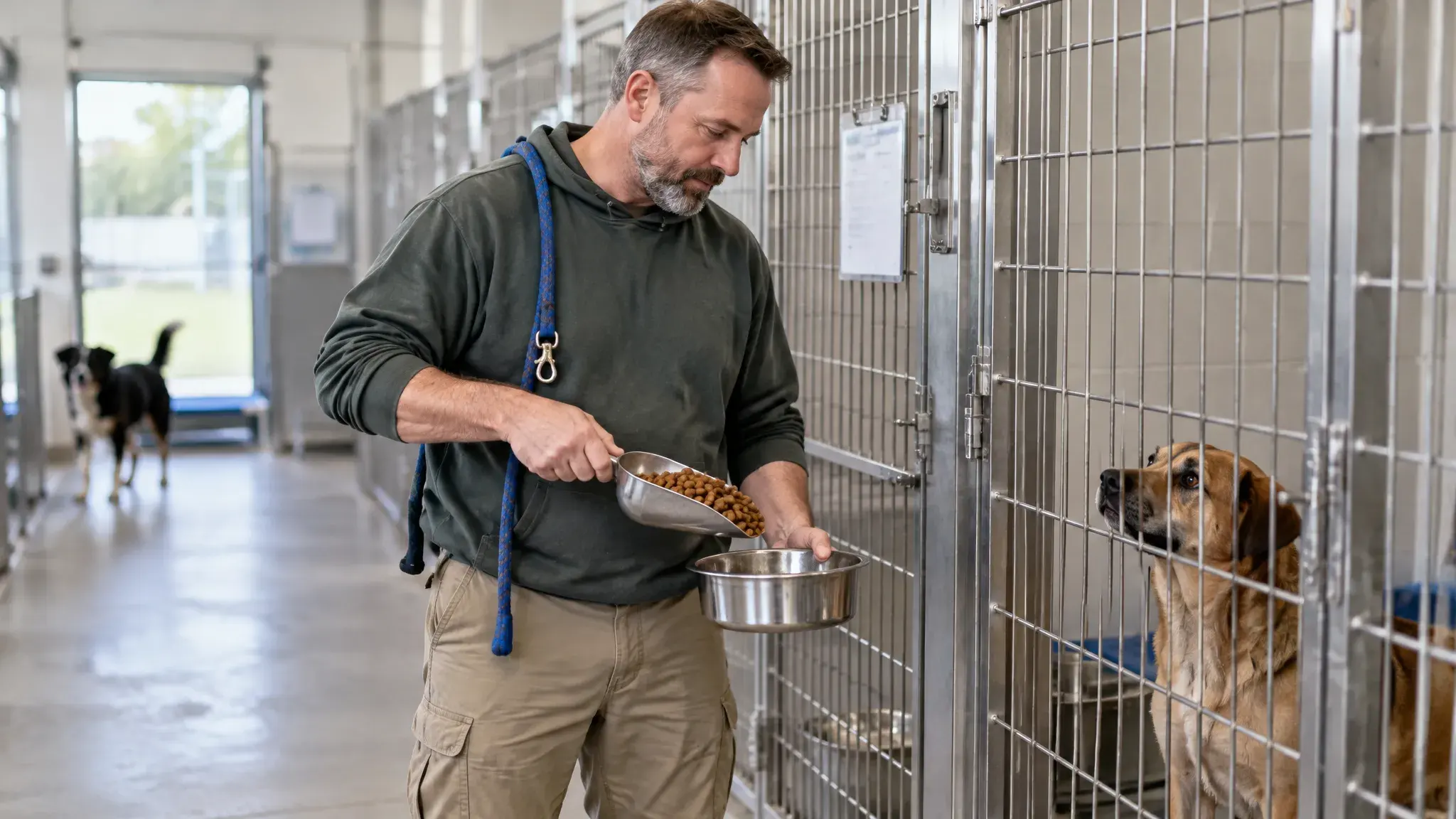
Feeds, grooms, exercises, and monitors animals at shelters, kennels, zoos, or pet care businesses, handling the daily hands-on work of animal welfare.
Salary
- Entry-level
- $27,500
- Mid-career
- $35,500
- Senior
- $50,000
Source: BLS OEWS, May 2025
Job outlook
- Growth, 2025–35
- +11%
- Much faster than average
- Openings each year
- 69,400
- New jobs plus people retiring or moving on
- Jobs in 2025
- 413,000
- +46,100 by 2035
Source: BLS Employment Projections, 2025–35, for the wider group animal care and service workers. Growth for all jobs is +3.5%. See the BLS profile
A day on the job
What people in this job typically spend their time doing.
- Feed and water animals on schedule, mixing special diets when needed
- Clean and disinfect pens, cages, and other animal living areas
- Exercise animals and watch for signs of illness or injury
- Groom animals by bathing, brushing, trimming coats, and cutting nails
- Record each animal's weight, condition, food, and medications
- Answer visitors' and pet owners' questions about animal care
Adapted from O*NET OnLine (39-2021.00), U.S. Department of Labor, used under the CC BY 4.0 license.
Getting in
Most animal care and service roles require only a high school diploma and on-the-job training, though zoo and aquarium roles increasingly prefer coursework in animal science or biology.
Progression
- Animal Caretaker, Kennel Attendant, or Groomer's Assistant
- Experienced Caretaker, Groomer, or Trainer
- Lead Keeper, Kennel Manager, or Shelter Supervisor
- Shelter Director, Zoo Curator, or Pet Care Business Owner
Where this can lead

Top Employers
- Animal shelters and humane societies Steady demand for caretakers, with a mission focus and roles that can grow into operations or management.
- Pet care businesses (e.g. PetSmart, boarding and daycare facilities) The most openings, including grooming and training roles with on-the-job training.
- Zoos and aquariums The most competitive animal care jobs; most keepers have degrees or long volunteer histories.
Networking & job search

- Volunteering at shelters, rescues, or zoos is how most people get hired — staff hire volunteers they already trust with animals.
- Zoo and aquarium keeper jobs are competitive; internships and the Association of Zoos and Aquariums job board are the main way in.
- Groomers and trainers grow by referral, so build a portfolio of before-and-after photos or training results and ask happy clients to recommend you.
Example trajectories
Shelter volunteer → kennel attendant → adoption coordinator → shelter operations manager, 6 years in.
Animal science coursework → zoo internship → seasonal keeper → full-time keeper → lead keeper for the primate team.